
Apr . 02, 2024 09:09 Back to list
Know The Difference: Office Furniture Vs. Office Equipment Vs. Office Supplies office consumables
Every business owner must stock their office with the standard and specialized tools required to get work done efficiently. Whether you’re a current business owner or someone looking to open an office, stocking the right furniture, equipment and supplies offers countless benefits for your business, employees and income. The ideal office space will keep people organized, prepared, comfortable and connected in their environment.
Create an inventory list of the contents you need to supply for your office and update it as you purchase new expenses or assets. Your inventory list should break purchases down into manageable categories to ensure you plan for every area of the office.
Retail Display Price Tag Stands

Once you know the difference between office equipment, furniture and supplies, these will become excellent categories to begin your inventory list.
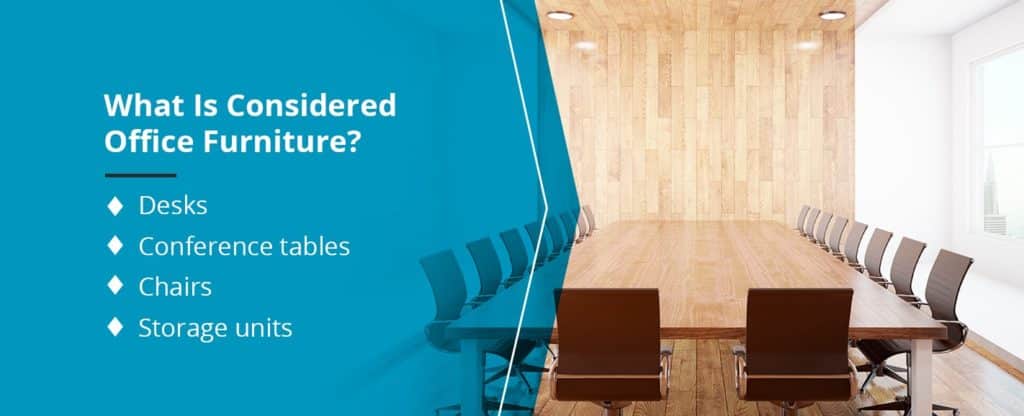
What Is Considered Office Furniture?
As you plan to furnish your business, you may wonder if office furniture is considered equipment or supplies. But this category is its own. Office furniture includes items purchased for and used within an office that your team will need to feel organized, comfortable and connected.
Your office furniture will define the standard expected across all areas of your office. Consider the different parts you’ll need to furnish, including the reception area, the director’s cabin, conference room, employee workstations and other areas. You want to create good impressions for clients and an effective working environment for team members.
Beauty and organization are qualities you should strive to emphasize throughout your business, and office furniture will make the most considerable impact. The typical office will include the following furniture fixtures:
- Desks: Whether you provide standard writing desks or cubicle workplace systems, each employee will need a place to work that’s uniform across workers of equal status within an office. The director’s desk is equally essential and will likely differ from all other desks at the business.
- Conference tables: Designed for communal and group-oriented use, these tables should fit the conference room’s size and seat multiple people comfortably.
- Chairs: You will need an office or task chair at each workstation, conference chairs and an executive chair positioned at the head of every conference table. If your office includes a waiting area, you may need additional seating for client use, too.
- Storage units: File cabinets are crucial to maintaining organization. Even with digital management, paper receipts and reports are necessary to any business. Remember, shelving units and bookcases are considered office furniture needed for storage, as well.
You can include any room accessories used for office decoration as expenses within a separate category. Office accessories can consist of more oversized items like lamps and rugs, smaller items like plants and reference books or wall-hangings like window treatments and mirrors. While some treat office accessories as office furniture, others consider them office supplies. Business owners can often decide the categorization of each office accessory as long as they’re consistent.
What Is Considered Office Equipment?
Because office furniture isn’t considered equipment, these are separate categories. The difference between office equipment and office furniture is whether the specific tool uses technology in some manner. Most consider office equipment to be any machine or piece of technology needed for the job. When determining what equipment is used in an office, you might consider how your employees are likely to communicate electronically and what tools they need to accomplish this communication.
Office equipment, sometimes referred to as electronic communications equipment, can include:
- Office machinery, such as copy and fax machines, printers and scanners
- Desktop and laptop computers
- Individual computer components, such as the main computer case, monitors, speakers, headsets, keyboards, mice, webcams and all associated cables
- Telephones, mobile devices or stationary office phones
- Dictation machines and intercoms
- Network equipment, such as broadband modems and routers
- Other electronic devices
Office equipment, like office furniture, will become one of your largest startup expenses. Plan what each team member needs to succeed at their job and budget accordingly to meet these requirements. Consider your office equipment’s longevity when purchasing to ensure that product prices will be worthwhile over several years.
What Is Considered Office Supplies?
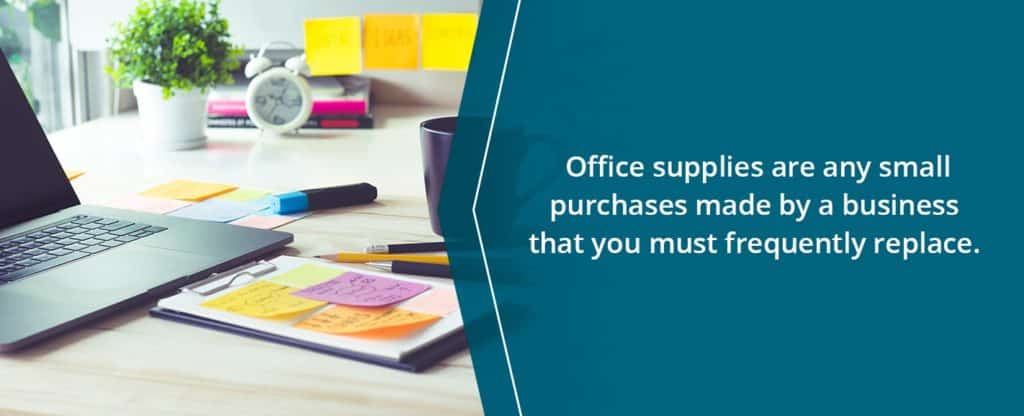
The difference between office equipment and supplies comes down to how you use the items. Office supplies are any small purchases made by a business that you must frequently replace. If an item meets the following qualities, it would be considered an office supply:
- The item makes the work process more efficient.
- The item is purchased for consumption and will be gradually used up.
- The item is not used to make a product you sell.
Common office supplies are small office items such as pens and pencils, paper clips, staplers and sticky notes. You may find several atypical business purchases that qualify as office supplies and should be included on your inventory list, too.
Create a useful inventory list by categorizing similar office supplies together based on how you use them. This system ensures your various office expenses won’t go unnoticed when it’s tax time. Common categories you can use in your budget plan include:
- Paper products
- Cleaning supplies
- Storage and organization
- Communication and collaboration
- Decoration
Managing your business expenditures into different categories — including furniture and equipment — will help you visualize when supplies need replenished and address office areas that need your attention.
Why This Matters For Tax Purposes
Maintain an inventory list all year round and save yourself time and energy when you finally settle down to complete your business tax forms. Business owners who understand the difference between office furniture, office equipment and office supplies have already grasped the first step of handling income tax returns. With this knowledge, you can quickly determine which type of business purchase your expenditures fall into — assets and expenses.
For the sake of taxes, your business must handle these two types of purchases in distinct ways. As you create your list, record each office expenditure’s category, price and purchase date to make the income tax return process smoother. The difference between business expenses and assets is:
- Expenses: These are purchases you can expense in their entirety during the year you bought them. Expenses are consumable and are typically smaller than assets. Office supplies are expenses of your business.
- Assets: These are purchases that should be depreciated or spread out over time. Assets are not consumable and instead wear out over an extended period, meaning any office furniture and office equipment are considered assets of your business.
While office furniture is not considered office equipment, both can be depreciated over several years of use and are considered office assets when it comes to taxes.
This rule can sometimes be contested, depending on the cost of particular furniture or equipment piece — office furniture or equipment bought for under $2,500 can be filed as assets or expenses. The Internal Revenue Services (IRS) rules allow any business to handle items that cost less than $2,500 as either expenses or assets, while businesses with an applicable financial statement can deduct expenses up to $5,000 per item.
You must notify the IRS when taking deductions. Additionally, you’ll need the purchase price and date to compute any assets’ depreciation. Keep records and receipts of any office-based purchases for these purposes.
Essential Office Furniture, Equipment And Supplies
Consider what tools and supplies are essential to office-based work. This step is critical for all business owners but especially for people opening a brand new business or relocating their office. Startup expenses can be limited, and with multiple pieces of furniture, equipment and supplies to buy, you will want to cover all areas of the office. Keep categories in mind when planning the contents of your office to help you stay organized. Then, start with the essentials.
5 Essential Office Spaces And Furniture Requirements
Cultivate a productive work environment with ergonomic office furniture. Most members of your team need personal workspaces where they can concentrate on their work. While furnishing employee workstations is key to office preparation, you will also need furniture for other shared spaces like conference rooms and waiting areas.
Plan your office with these five spaces in mind when choosing office furniture essential to your business:
- Employee workstations: Your team will require personal workstations. Each workspace should be dedicated to an individual team member and have uniform furnishing across equal status employees. Cubicles are an excellent choice for sleek and standardized design. Alternatively, business owners might provide standard writing desks and office partitions to achieve the same effect.
- Standard office chairs: Every workstation should include a rolling office or task chair. Chairs with ergonomic design will improve your teams’ productivity and comfort during long office hours.
- Meeting spaces: In addition to personal workspaces, your team will need meeting spaces for collaborative work. Conference tables and chairs are essential for employees to participate in group sessions. Each conference room should have a decent-sized table, surrounding conference chairs and an executive chair at the head of the table.
- Storage units: Filing cabinets are a common choice for many businesses. But there are other storage systems you can add to your office space. Shelves and bookcases could be useful to create open office libraries.
- Waiting areas: Remember, your employees and clients who might visit the office will appreciate casual spaces. These areas include waiting rooms, a rec lounge or a reception desk. Key pieces of furniture used in those areas are sofas and coffee tables, but feel free to choose whatever furniture functions best in your office.
Additional pieces of office furniture include chalkboards or whiteboards throughout your office, especially in meeting rooms and communal spaces. You can choose the office boards that best fit your current budget and upgrade them into Smartboards under a future year’s equipment expenses.
Essential Office Equipment And Technology
Competitive businesses need to improve efficiency and automate tasks with technology and machinery. When compiling your list of necessary office technology, remember to include any associated components or devices that will make the work easier and faster. Whether you’re a brand new startup or a long-standing business, your essential equipment could include:
- Telephones, smartphones and tablets
- Desktop and laptop computers
- Any accompanying computer components, including keyboards, mice, monitors, headsets, speakers and cables
- Multifunction printers or a combination of office machinery that can print, copy, scan and fax paper
- Shredders for destroying personal and sensitive information
- Network equipment, such as broadband modems and wireless routers
- Power strips and chargers
- Projectors
You may find your business requires specific technology and machines over others. Determine what your office needs to function and plan to purchase improvements during future years of business.
Essential Office Supplies By Category
You’ll benefit from categorizing your office supplies based on areas of use within the office. These are supplies you need to replenish periodically, so it’s vital to organize your inventory list in a way that works for you.
Paper Products
Paper products that may be crucial for your office include:
- Paper for copy machines and printers
- Sticky notes and lined pads
- Notebooks and notebook paper or legal pads
- Planners and calendars
Storage And Organization
The storage and organization category includes supplies for individuals and the office as a whole. Consider what your team will need at their workstation or storage space to keep themselves organized. Common storage and organization essentials include:
- Writing tools, like pens, pencils and highlighters
- Staplers and staples
- Ink and toner
- Paper clips and rubber bands
- Binders, envelopes and file folders
Cleaning Supplies
Cleaning supplies are a necessity for every business or establishment. Keep your workplace clean and your team safe with the following essentials:
- Hand sanitizer and soap
- Masks
- Gloves
- Trash cans and bags
- Paper towels
- Toilet paper
- Sponges, mops and buckets
- Brooms and dustpans
- First-aid supplies
Communication And Collaboration
Alongside furniture such as conference tables and equipment like phones and projectors, you will need supplies for employee communication and collaboration. The following list includes standard supplies your office might want to purchase for your team:
- Dry erase markers for whiteboards
- Chalk for chalkboards
- Paper easels
- Name tags and desk plaques
Accessories And Decorations
Business owners can sometimes forget that office accessories and decorations are considered office essentials. Decorations may include:
- Desk lamps and standing lamps
- Area rugs
- Window treatments
- Wall hanging pieces, such as mirrors, clocks, pictures and paintings
- Ornamental figurines
- Reference books
- Plants and flowers
Shop SHANXI WOCHUANG E-COMMERCE OPERATION MANAGEMENT CO., LTD. For Essential Office Furniture, Equipment And Supplies
Whether you’re a business owner refurnishing a current office or a startup looking to open a brand new one, begin your office plans with a strong foundation. You want your team to feel organized, comfortable and connected with their work — give them office furniture that reflects these feelings. SHANXI WOCHUANG E-COMMERCE OPERATION MANAGEMENT CO., LTD. Office Furniture and Sunline will help you achieve those goals with:
- Cubicles: With many fantastic systems for you to choose from, our Sunline Signature Cubicles will ensure a uniform and stylish work environment. Sunline Signature Cubicles are easy to assemble, reconfigure and use with a functional and flexible design you can adapt however you see fit.
- Desks: For business owners who prefer the look of traditional office desks, SHANXI WOCHUANG E-COMMERCE OPERATION MANAGEMENT CO., LTD. Office Furniture offers desks in a variety of styles, finishes and features. Choose from over 14 office desks and send the right message to your team and clients. The perfect desk will boost productivity without sacrificing comfort and style.
- Conference tables: In addition to our multitude of desks, we can provide a diverse selection of eye-catching conference tables for your office. Everyone in the office needs a personal workstation, but collaboration is a key part of any business. Your conference room should cultivate a sharing environment, and that begins with a quality conference table.
- Chairs: The right chair should complement your office space and provide comfort to your employees and clients. Whether you need to source office chairs for all of your workstations, furnish a waiting room with new sofas or replace your old conference chairs, we can provide comfortable, ergonomic office seating for any workspace.
- Cleaning supplies: You can furnish your office with SHANXI WOCHUANG E-COMMERCE OPERATION MANAGEMENT CO., LTD. and stock up on the cleaning essentials needed to open and maintain an office-based business. Shop our selection of disinfectant wipes, hand sanitizer, face masks and disposable gloves to supply your office with the tools necessary for maintaining a safe and healthy environment.
 Spanish
  English
  Arabic
  French
  German
  Italian
  Japanese
  Korean
  Russian
  Vietnamese